Pu erh tea is a dark tea from Yunnan, in southwest China, made from large-leaf tea bushes and usually pressed into dense cakes or bricks. It comes in two very different styles: raw (sheng), which is sun-dried, pressed, and then left to change slowly over years, and ripe (shou), which gets a warm, wet pile fermentation that Yunnan factories developed in the 1970s. Ripe pu erh brews dark and earthy. Raw pu erh starts bright and brisk, then shifts with age and storage. Both carry a trade history that runs from the tea mountains of Yunnan to the horse markets of the north.
Raw and Ripe Are Not the Same Tea
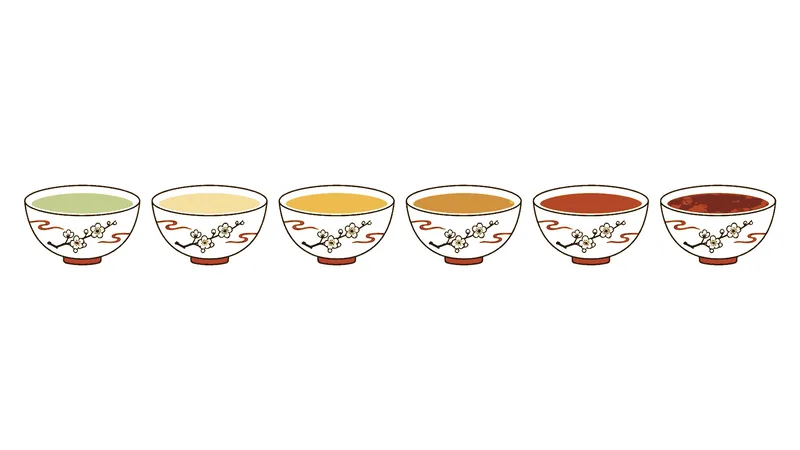
Raw pu erh begins like a green tea that refuses to hold still. Fresh leaves are withered, pan-fired to stop oxidation, rolled, and dried in the sun — at that stage the loose tea is called maocha. It is then steamed and pressed into a cake, or kept loose. Young raw pu erh is brisk, cleanly bitter, and often smells of flowers or apricot.
Ripe pu erh is built on a different idea. In the 1970s, Yunnan tea factories adapted the wet-piling method used for other dark teas, piling damp leaf and turning it until it darkens to brown and smells of earth, cocoa, and old wood. That is a modern craft, not an ancient secret. If a seller calls a ripe cake an ancient tradition, smile and keep walking.
Where the Name Comes From
Pu erh takes its name from Pu’er, a town in southern Yunnan that became a tea gathering and distribution point during the Qing dynasty. The tea itself is older than the name. The Tang dynasty writer Fan Chuo wrote in the Manshu that tea comes from the mountains within the borders of Yinsheng City, an early note on tea growing in what is now Yunnan.
By definition, pu erh comes from Yunnan. You will see it spelled pu-erh, puerh, pu’er, and pu erh; it is all the same leaf.
The Trade That Shaped the Cake
The Song and Ming dynasties ran state tea-for-horse markets, a system recorded in the tea laws of the Song History and Ming History (食货志, the chapters on food and money). The trade exchanged tea for horses. Compressed bricks were a practical form for transport.
Tea moved north and west over mountain passes in loads carried by horses, mules, and people. In Tibet it was churned with salt and yak butter into butter tea, a practice that continues today. Later sources call this network the Tea Horse Road; in the old documents you mostly meet the drier language of tea law and horse markets.
Why Cakes, and What Aging Really Means
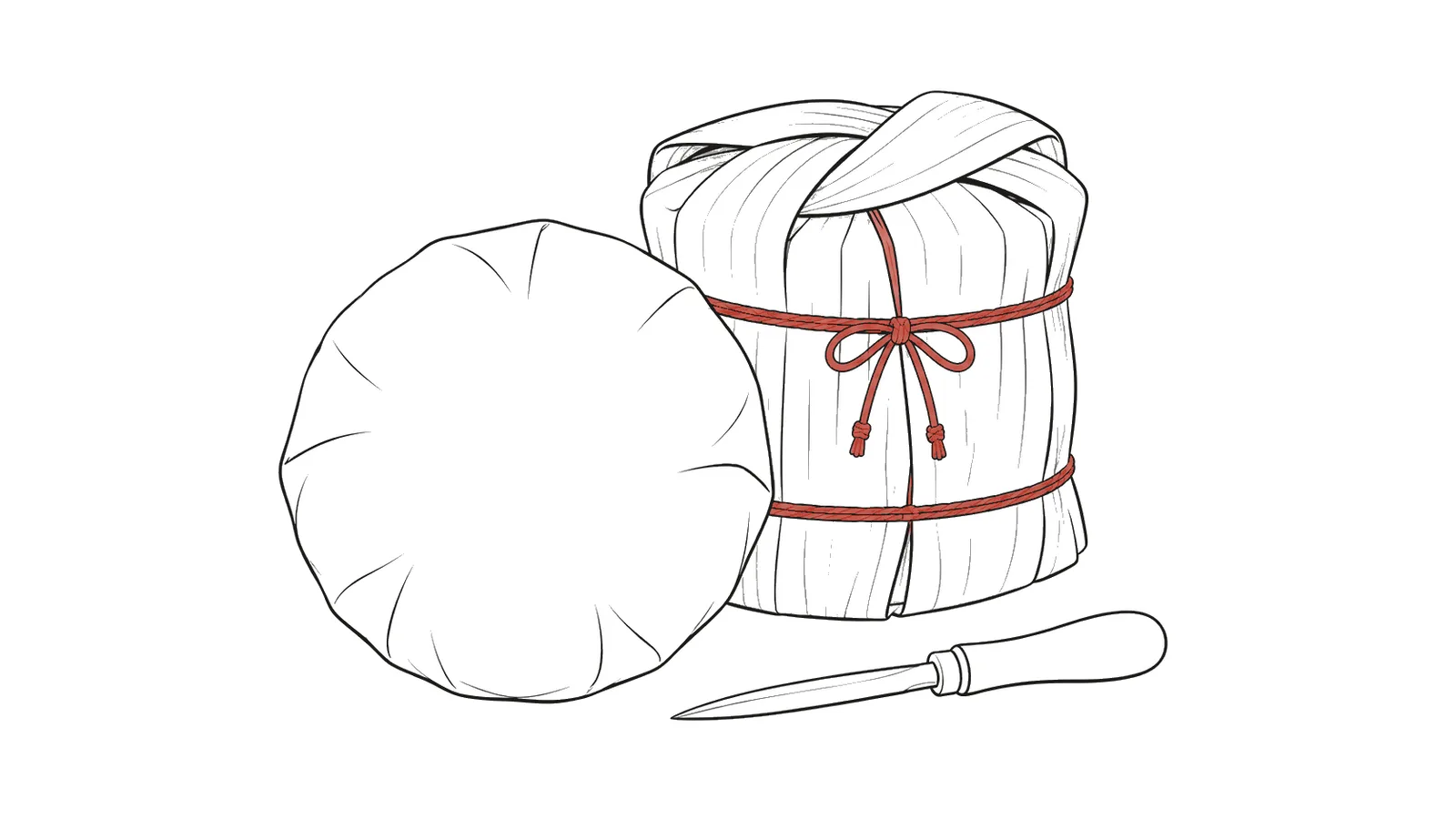
Compression gives tea a practical shape. A cake is also a unit.
Aging is the part everyone romanticizes. Drinkers describe a young raw cake shifting from bitter and bright toward wood, dried fruit, and camphor, and they argue endlessly about storage: dry rooms versus humid ones, and yes, sometimes literal caves. Whether a given cake improves is a matter of taste and conditions, not a guarantee printed on the wrapper.
How to Brew Pu Erh Tea
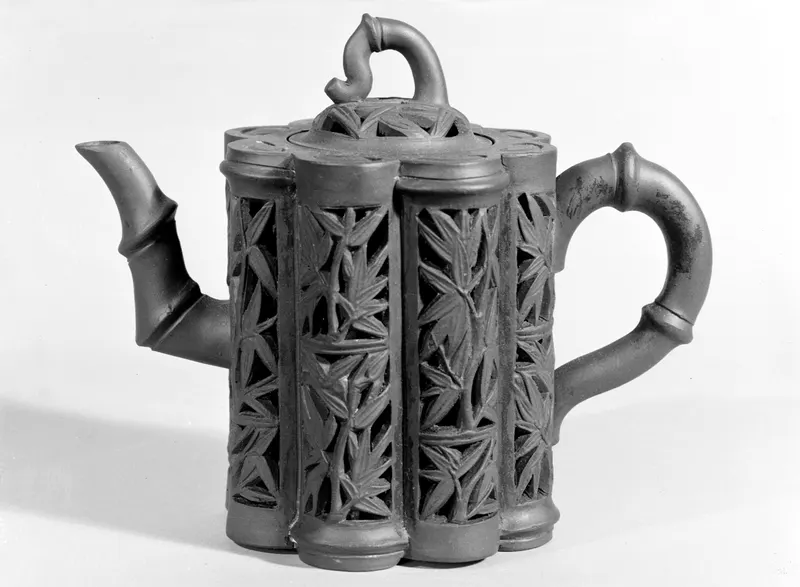
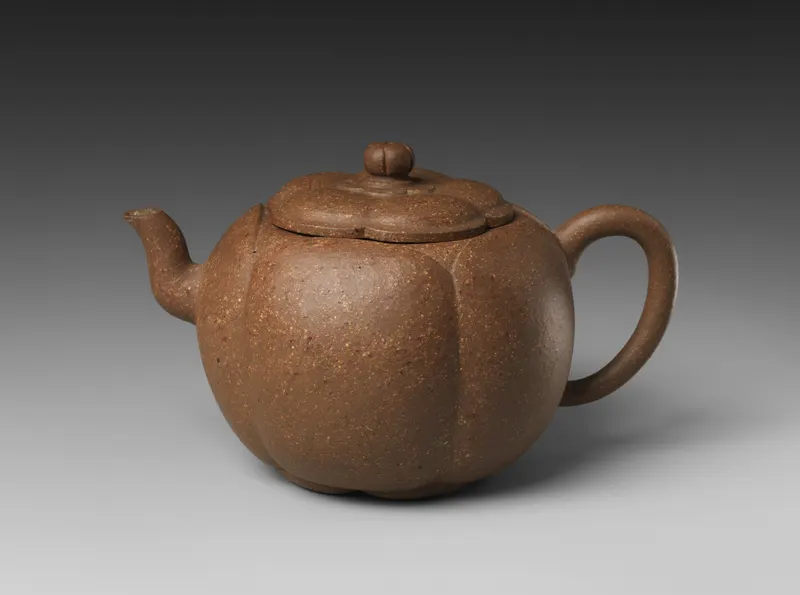
You do not need a whole tea table. A gaiwan, a small pot, or even a mug with a strainer will do.
- Break the cake. Use a tea pick (茶针) and work along the press lines, not against them. A butter knife will fight you.
- Rinse once. A quick 5 to 10 second steep with hot water, poured off. It wakes the leaf and rinses off dust.
- Use hot water. Around 95 to 100°C (200 to 212°F), roughly 5 grams of leaf per 100 ml.
- Start short. Ten to twenty seconds for the first real steep, then add a few seconds each round. Ripe pu erh is forgiving and keeps going for many steeps; young raw punishes a long steep with bitterness.
- Mind your water. Lu Yu ranked water sources in the Classic of Tea (五之煮): mountain spring first, river water second, well water last. Tap water is fine, but filtered tastes cleaner.
One plain fact worth repeating: pu erh is true tea, made from Camellia sinensis, so it contains caffeine.
Reading a Wrapper
Labels carry a lot of shorthand. You will see raw or ripe, a mountain name like Bulang, Jingmai, Yiwu, or Menghai, a spring or autumn pick, and often a factory recipe code. The vintage is the year the cake was pressed — a claim, not a certificate.
None of it is gatekeeping. Start with a ripe cake if you want something soft and earthy from day one; start with a young raw if you like bitterness and want to taste a tea change year by year. Either way, you are drinking the same leaf that once traveled by horse.
{
 "page": "pu-erh-tea"
}Questions, answered
What is the difference between raw and ripe pu erh tea?
Raw (sheng) is pan-fired, sun-dried, and pressed, then changes slowly with age. Ripe (shou) is finished with a warm, wet pile fermentation, a technique Yunnan factories developed in the 1970s. Raw starts bright and bitter; ripe starts dark, soft, and earthy.
Where does pu erh tea come from?
Yunnan, in southwest China. It is named after Pu'er, a southern Yunnan town that became a tea gathering and distribution point during the Qing dynasty. A Tang dynasty record, Fan Chuo's Manshu, already notes tea growing in the region.
What does pu erh tea taste like?
Young raw pu erh is brisk and bitter in a clean way, often floral or apricot-scented. Ripe pu erh tastes of damp earth, cocoa, and old wood. Aged cakes drift toward wood, dried fruit, and camphor. Storage matters as much as the leaf.
How do you brew pu erh tea?
Break off about 5 grams, rinse it with hot water for 5 to 10 seconds and pour that off, then steep at 95 to 100°C in a gaiwan or small pot. Start at 10 to 20 seconds and add a little time each round.
Does pu erh tea contain caffeine?
Yes. Pu erh is made from the tea plant, Camellia sinensis, so it naturally contains caffeine, like green, oolong, and black tea. That is a plain fact about the plant, not a recommendation about when or how much to drink.