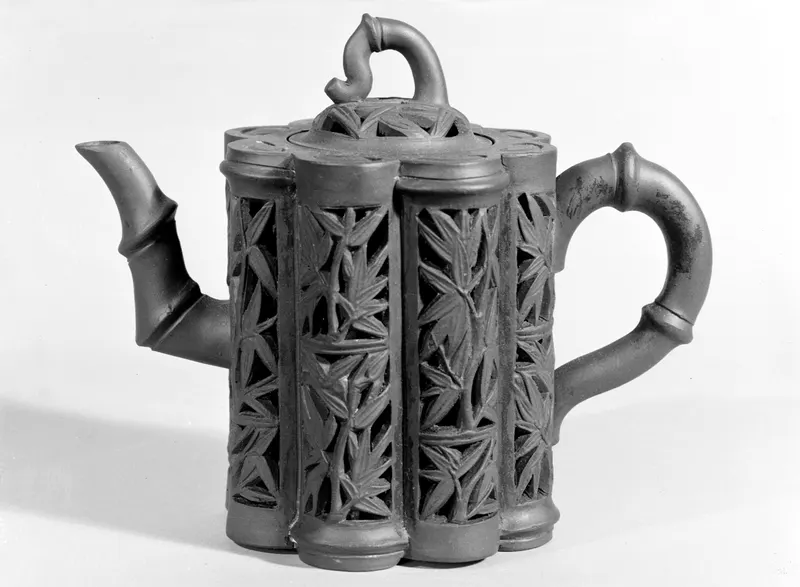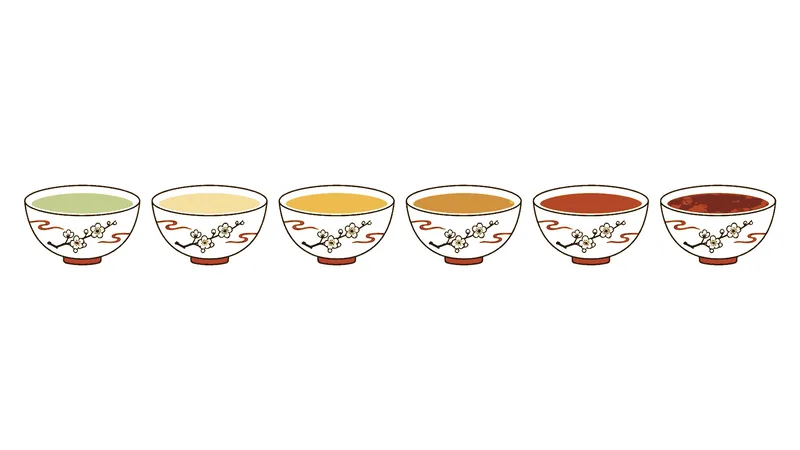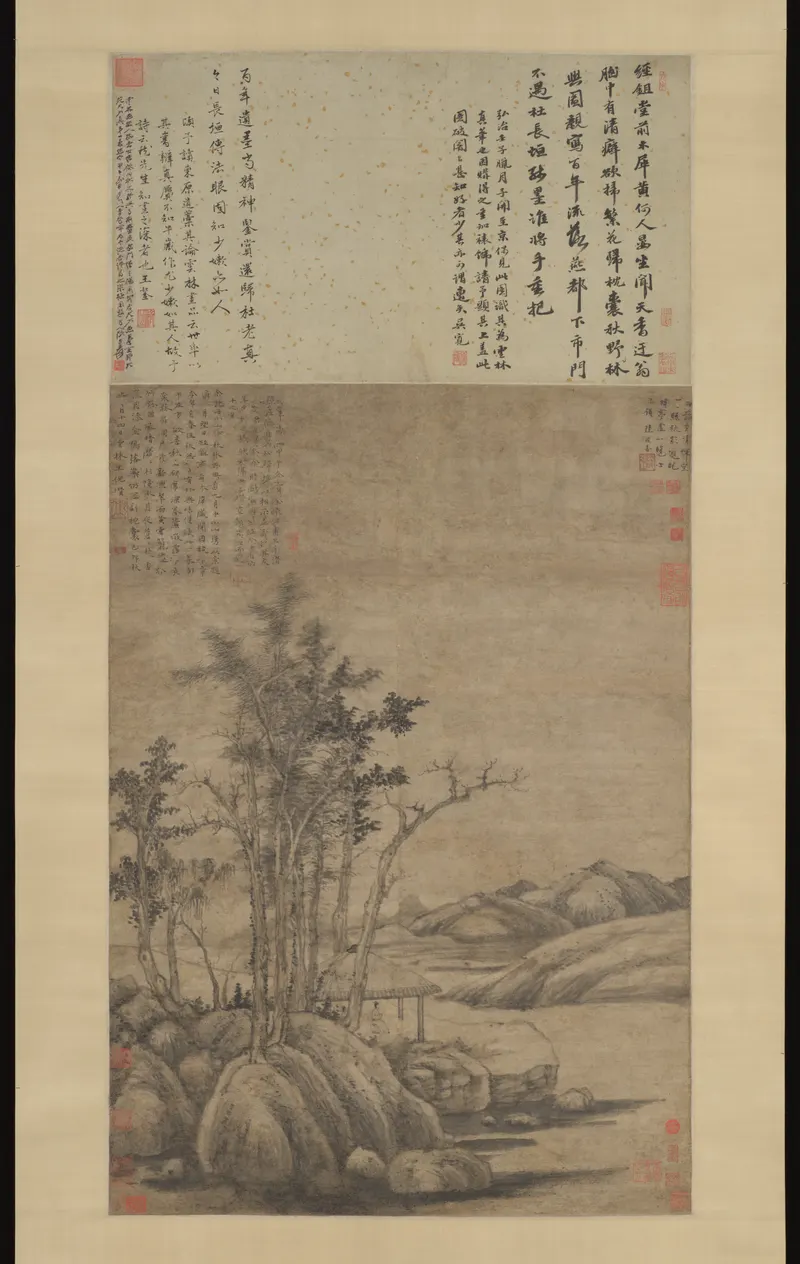
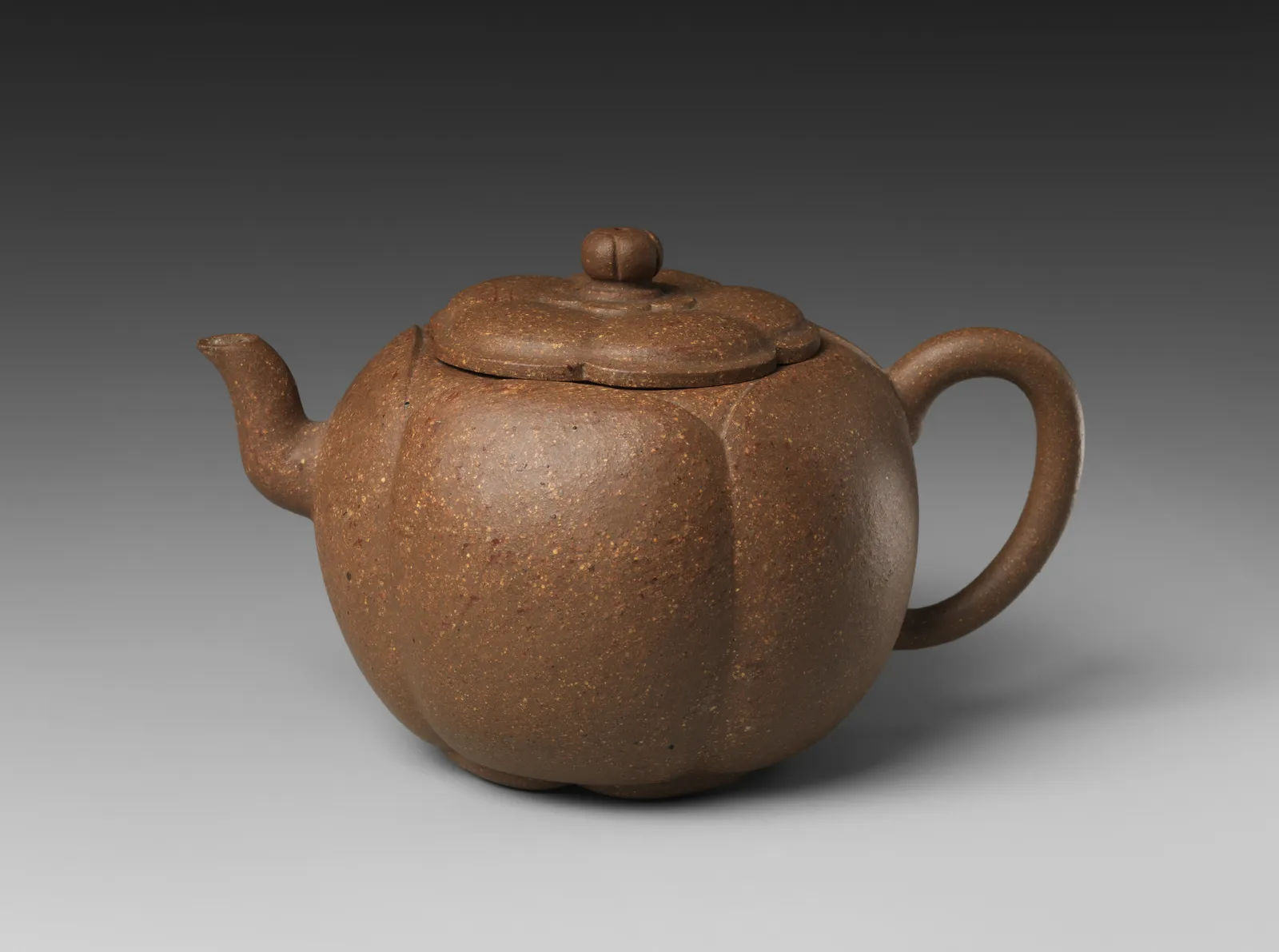
Chinese tea ceremony is not a single official ritual. It is an English umbrella for many Chinese tea practices: a family gaiwan, a teahouse pot passed around, a temple offering, or a glass tumbler at work. The thread is attention—hot water, leaf, small cups, and a pause shared with someone.
Chinese Tea Ceremony vs Japanese Chado
If you know Japanese chado, you know a highly codified matcha tradition: prescribed room, gestures, utensils, and a host’s choreography. Chinese tea practice is broader and less unified. It includes gongfu tea in Chaozhou and Fujian, gaiwan brewing at home, teahouse service, and temple offerings.
That does not make one form “real” and the other “loose.” They are different cultural forms. In Chinese, “tea art” (chayi) and “gongfu tea” are more precise terms than “tea ceremony.” English “ceremony” can sound more formal than many Chinese tea tables feel. A good Chinese tea table can be quiet, but it can also be a friend refilling your cup while talking about traffic.
A Short History, with Legends Labeled
Tea history in China is long, and stories gather around it. According to legend, tea as a drink began with Shennong; Lu Yu repeats that attribution in the Classic of Tea (chapter 6). Treat it as legend, not a dated event.
Lu Yu’s Classic of Tea, completed around 780, is often called the world’s first tea monograph. It opens with “tea is a fine tree of the south” (Classic of Tea, chapter 1). Lu Yu also ranked water like a wine judge: mountain spring first, river water second, well water last (Classic of Tea, chapter 5).
In the Song dynasty, tea was often whisked, not steeped. Cai Xiang wrote that tea color valued white (Cai Xiang, Record of Tea, “Color”). Emperor Huizong described the “seven rounds of adding water” (qitang), with corresponding whisking, and the foam “biting” the cup (Emperor Huizong, Daguan Tea Theory). Tao Gu recorded “tea hundred plays,” drawing on the foam surface (Tao Gu, Qingyilu). These are documented tea pleasures, not health promises.
The gongfu tea we see today is documented in Qing texts. Yu Jiao’s Mengchang Zazhu describes Chaozhou gongfu tea and notes that its utensils were more refined than Lu Yu’s (Yu Jiao, Mengchang Zazhu, “Chaojia Fengyue”). Yuan Mei also mentions small pots and small cups (Yuan Mei, Suiyuan Shidan, “Tea and Wine”). In 2022, China’s traditional tea processing techniques and related social practices joined UNESCO’s intangible heritage list.
The Tea Table: What the Tools Do
A gaiwan is a lidded bowl with a saucer. Folk custom calls it the “three-talent bowl”—heaven, earth, and people—but that is a popular name, not a classical rule. The lid holds aroma and can be tilted to strain tea as you pour.
A fairness pitcher, or gongdao bei, is optional but useful. It catches the tea after brewing and evens out the strength between cups. Small cups cool the tea fast, so you sip instead of gulp. A strainer catches loose leaf; a tray catches spills. You do not need a full set to begin.
Etiquette: Finger Tapping and Small Moves
When someone pours for you, a light tap on the table is a quiet thank-you. Tradition links the gesture to Emperor Qianlong traveling incognito; treat that as folklore, not a documented court rule. Use the tap as a courteous habit, not a test.
Other small moves matter more than perfect form. Pour for others before yourself. Fill cups short of the brim; “a full cup is rude” is a folk saying, not a law. Keep the spout turned away from guests. Receive a cup with both hands if you can. Smell the dry leaf, then the wet leaf, then the tea. Say what you notice: roasted, floral, nutty, brisk.
Hosting a Simple Chinese Tea Gathering at Home
Pick a tea and an idea. A roasted oolong or a red tea—what English calls black tea—is forgiving for a first gathering; a jasmine tea is familiar and friendly. You are not running a restaurant. A small group is plenty.
Set up a small table. You need a gaiwan or small teapot, a few small cups, hot water, and a towel. A fairness pitcher helps. A tray is nice but not required. Warm the vessels with hot water, then pour it out.
Use fresh water and the right heat. For oolong and red tea, water just off a rolling boil is common; for green tea, let the kettle rest a little. Add enough leaf to flavor the water, not to fill the vessel. Give the first steep a short pour, taste it, then lengthen the next. If it is bitter, pour faster next time. If it is thin, add a little more leaf or time.
Serve in rounds. Pour through a strainer into the pitcher, then fill cups. Let guests smell before they sip. Keep a small neutral snack on the table—plain crackers, nuts, or fruit. Skip heavy perfume at the table; it competes with the tea.
You can do this with tea bags. The ceremony is attention, not equipment. A quiet session with a good cup and a friend counts.
Common Mistakes to Avoid
Do not call every Chinese tea practice “the tea ceremony” as if a single script covers all. Do not tell guests that finger tapping is an ancient law; it is a custom with a legend. Do not treat gongfu tea as ancient theater; its written descriptions are Qing. Do not assume matcha is the Chinese ceremony; Japanese chado is its own tradition, and China’s Song whisked tea is history, not a script for your table.
Most of all, do not turn the table into a performance. The host’s job is hot water, clean cups, and a guest who feels welcome. The tea does the rest.
Questions, answered
Is there one official Chinese tea ceremony?
No. Chinese tea practice changes by setting: a family gaiwan, a teahouse pot, temple offerings, or an office cup. Chinese tea ceremony is an English umbrella term, not a single codified ritual.
How is it different from Japanese chado?
Japanese chado is a highly codified matcha tradition. Chinese practice is broader and more scene-based, including gongfu tea, household gaiwan brewing, and regional customs. They are related tea cultures, not the same ceremony.
What is the finger-tapping etiquette?
A guest may lightly tap the table to thank the person pouring. Tradition links it to Emperor Qianlong traveling incognito; treat that as folklore, not a documented court rule.
Do I need a full gongfu tea set?
No. A gaiwan, a few small cups, and hot water can make a quiet tea session. A fairness pitcher helps, but a simple teapot or even a basket infuser can work for a first gathering.
Can I host a Chinese tea gathering with tea bags?
Yes. The point is attention and hospitality, not expensive gear. Use good water, small cups, and a tea you enjoy; explain the tea simply and let guests smell the dry leaf and the brewed liquor.