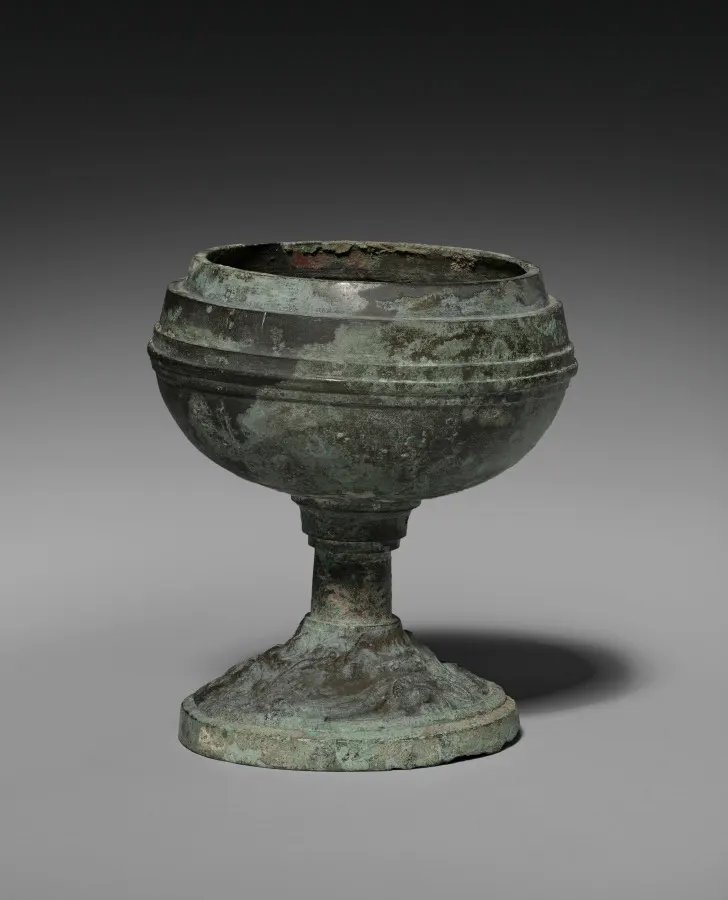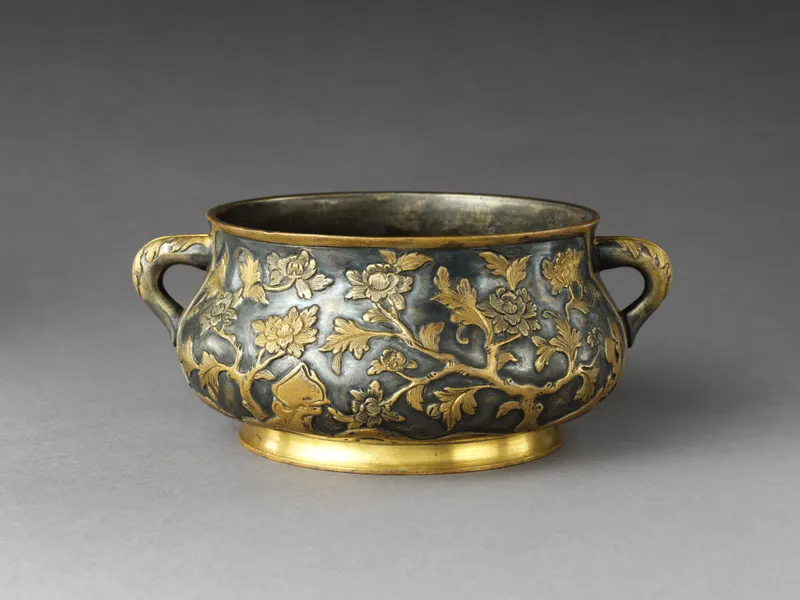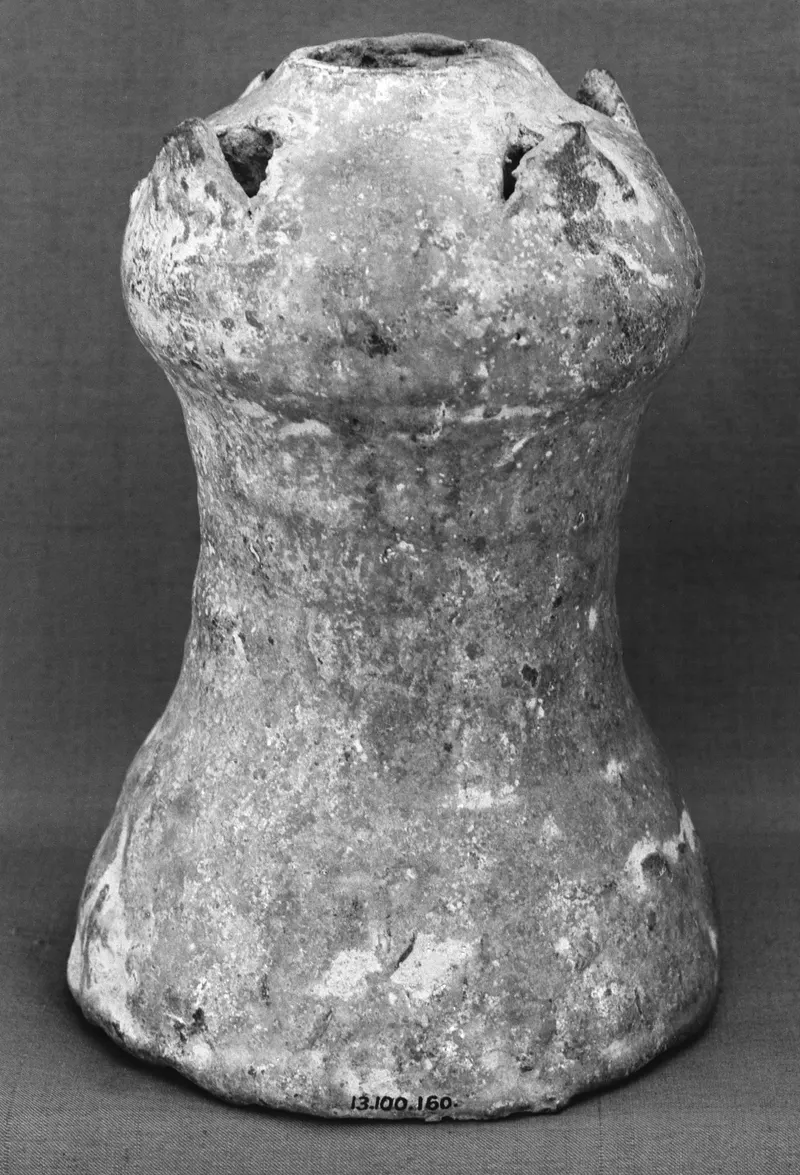
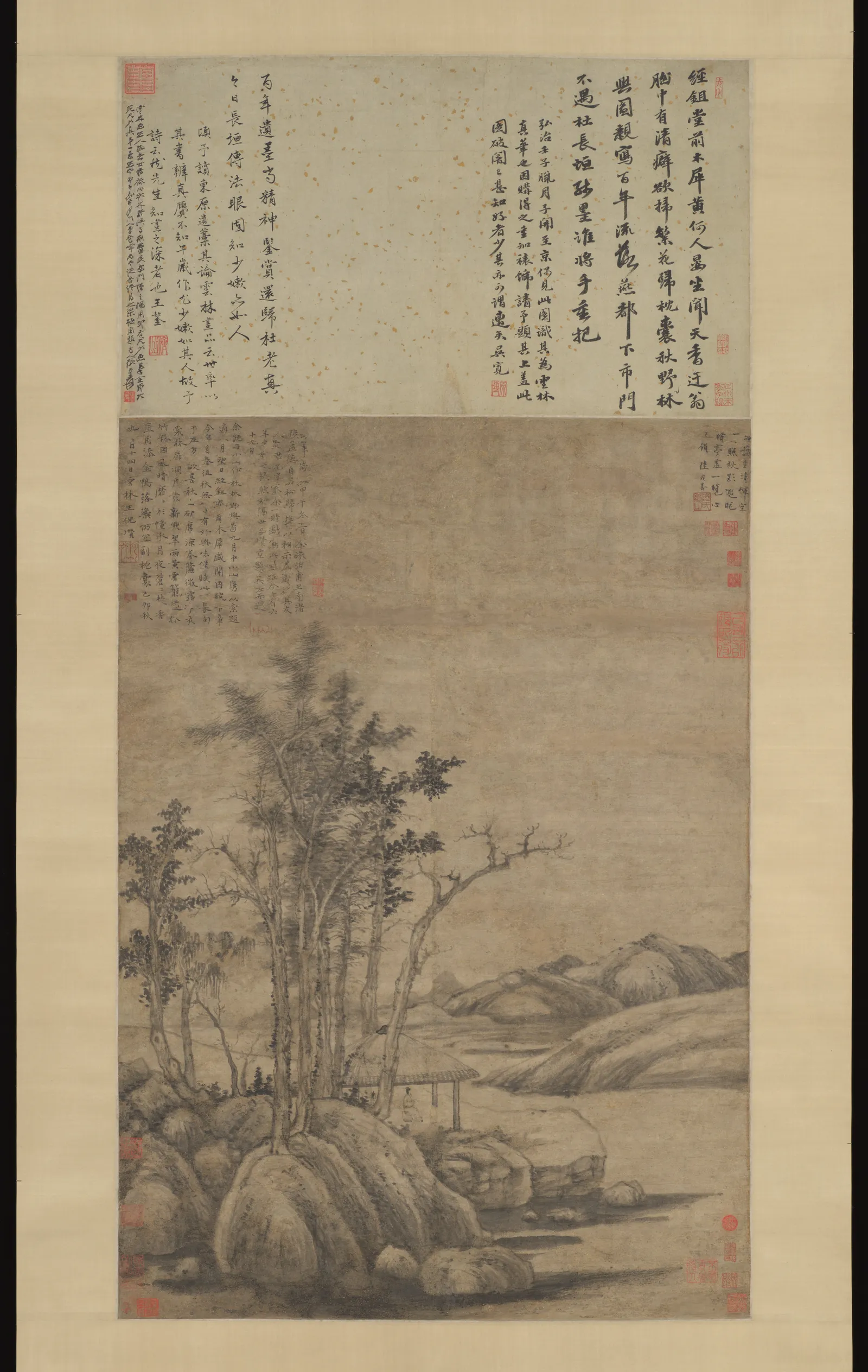
Incense meaning in Chinese culture is not one thing. It is a way to send offerings to ancestors and gods, a marker of memory and hospitality, and a private ritual that turns attention into a small ceremony. The same wisp of smoke can be public or personal, depending on the censer and the occasion.
Three Tracks of Smoke
Chinese incense practice is easier to read in three broad tracks. The first is offering: smoke rises, and the gesture says that a person, a family, or a community remembers. The second is everyday air: incense was burned to scent rooms and clothes, though it was also a luxury, and not every household burned it all year. The third is the literati’s private ritual—one burner, one cup of tea, one hour of quiet.
These tracks overlap. A temple burner and a scholar’s desk burner may look different, but both ask the user to slow down and pay attention. In Chinese, people more often say xiangshi (“incense matters”) or xiang wenhua (“incense culture”) than the Japanese term kōdō. That distinction matters: Japanese incense ritual became highly formalized, while Chinese incense history is more scattered across courts, temples, shops, and studies.
Offerings: Smoke That Carries Respect
One of the oldest surviving Chinese descriptions of offering smoke is in the Book of Odes. In “Sheng Min,” a sacrifice includes burning fragrant xiao mugwort with fat: “取萧祭脂,取羝以軷,载燔载烈” (Book of Odes, “Sheng Min” in the Major Odes). The point is not the scent alone. The burning is the action—wood, fat, and herbs turn into smoke and rise.
Later poetry uses scent to build a whole room. In the Chu Ci’s “Xiang Furen,” fragrant herbs and pepper decorate a hall for a spirit (Chu Ci, “Xiang Furen” from Nine Songs). This is court poetry, not a recipe, but it shows how early writers linked fragrance with welcome, beauty, and the presence of something beyond the ordinary.
Offerings are not always grand. A small temple, a family altar, or a street shrine may use a few sticks or a coil. The cultural meaning is in the respect, not in the price. Incense was also a trade good, which is why so many “Chinese” aromatics came from elsewhere: sandalwood, borneol, frankincense, benzoin, and storax arrived by land and sea routes. Historical incense culture was global before it was local.
The Censer as a Small Landscape
The Han dynasty gave Chinese incense one of its most memorable objects: the boshanlu, a censer with a cover shaped like mountains and clouds. The Hebei Museum’s gold-inlaid boshanlu from the Mancheng Han tomb and the Shaanxi History Museum’s gilt silver bamboo-joint censer are famous examples. According to the Xijing Zaji, a Han court miscellany, the craftsman Ding Huan made a “nine-tiered boshan censer, carved with strange birds and beasts” (Xijing Zaji).
The mountain cover is often interpreted in relation to immortal-mountain ideas. That is a reasonable reading, but scholars still debate the exact symbolism, and it is safer not to claim that “boshan” names one specific mountain. What we can say is that the censer turns smoke into landscape. A small fire inside the vessel makes mist appear among peaks and animals, and the room becomes a miniature world.
Memory, Hospitality, and the Scholar’s Desk
Incense is also a memory technology. A scent can mark a friendship, a birthday, a farewell, or a season. The Song official Ding Wei, exiled to Hainan, wrote Tianxiang Zhuan, a treatise on Hainan agarwood’s sources and grades (Ding Wei, Tianxiang Zhuan). Su Shi gave his brother a carved agarwood mountain as a birthday gift and wrote “Chenxiang Shanzi Fu” about it (Su Shi, “Chenxiang Shanzi Fu”). These are literati stories, not shopping advice; they show how a piece of fragrant wood could carry affection and memory.
Hosts used incense with tea. Tradition holds that a much-quoted passage in Menglianglu groups burning incense, whisking tea, hanging paintings, and arranging flowers as four leisure pursuits. The same line says these were not for the “lijia”—the amateur or outsider. That word means someone who is not skilled, not someone who is “burdened by family.” The passage is often read in the context of Hangzhou’s service trades, where specialists helped customers stage these refined pastimes. It is not a list of four compulsory arts for every scholar.
The practical result is simple: incense and tea belong to the same hostly gesture. One scent, one pot, one painting, one vase. The room is arranged so that the guest feels cared for, and the host has a script for attention.
The Slow Clock
Incense could also keep time. Artisans pressed fine incense powder into a continuous trail shaped like a seal-script character, a geometric maze, or a long spiral. Once lit, the fire moved along the trail; when it reached the end, a period had passed. This is the incense seal, or xiangzhuan.
Song-era incense manuals describe a “hundred-mark incense” (baike xiang). In the old Chinese day of one hundred ke, one ke was about fourteen minutes and twenty-four seconds; the Qing later changed the day to ninety-six ke. A burning seal made time visible and smellable. It also made waiting a ritual: the user could not rush the trail without breaking it.
The recipe memory was kept in books, too. The Ming dynasty’s Xiang Cheng, compiled by Zhou Jiazhuo, runs to twenty-eight volumes and gathers earlier incense manuals, formulas, and lore (Zhou Jiazhuo, Xiang Cheng). Earlier Song works such as Chen Jing’s Chen family incense manual and Hong Chu’s Xiangpu laid groundwork.
Modern incense seals are usually play and craft, not precision clocks. If you try one, use a heat-safe plate, keep the room ventilated, and never leave a burning trail unattended. The point is the pause, not the stopwatch.
What Different Occasions Use
Different occasions call for different forms, though the categories are not rigid.
- Ancestor and temple offerings: sticks, coils, or loose powder in a censer. The gesture is respect; the smoke rises and the visitor bows.
- Home scenting: small sticks or coils in a stable holder. Historically this was often a luxury, so it is fine to treat incense as an occasional ritual rather than a daily necessity.
- Scholar’s studio and tea table: one burner, a light scent, and a clean surface. The traditional Menglianglu grouping places incense beside tea, painting, and flowers.
- Daoist ritual: jiangzhenxiang appears in Tang Daoist rites; Li Xun’s Haiyao Bencao and Li Shizhen’s Bencao Gangmu describe it (Li Xun, Haiyao Bencao; Li Shizhen, Bencao Gangmu).
- Buddhist contexts: Buddhist scripture translations in Chinese use “zhantan” for sandalwood, a wood that came by sea from India and Southeast Asia. The vocabulary itself shows the trade route.
- Qing court craft: the Palace Museum holds Qing scented bead bracelets and scent plaques; tradition holds that court workshops made them (Palace Museum collection).
- Agarwood note: many agarwood species are CITES-listed and wild supplies are threatened. Treat agarwood as history and conservation context, not an automatic purchase prompt.
Reading the Meaning Today
Incense meaning in Chinese culture is finally a question of attention. A stick at an altar says, “I remember.” A burner on a desk says, “I am here.” A trail of powder says, “Time is passing, and I can watch it.” The smoke is a marker, not a promise.
Modern scent pairing games with the five elements can be fun, but they are best treated as modern creative exercises. The five elements appear in the Book of Documents’ “Hong Fan,” where water, fire, wood, metal, and earth are described by their qualities (Book of Documents, “Hong Fan”). Sorting incense materials into those categories is best understood as a contemporary creative exercise.
Keep the history close, keep the room ventilated, and let the ritual be small. That is the most trustworthy way to enjoy incense meaning without turning it into a promise it cannot keep.
Questions, answered
What does incense mean in Chinese culture?
It usually means one of three things: an offering that carries respect to ancestors or gods, a way to mark memory and hospitality, or a private ritual of attention for a scholar, tea host, or quiet evening.
What is a boshanlu?
A boshanlu is a Han dynasty censer with a cover shaped like mountain peaks and clouds. Examples from Mancheng and other tombs are famous. The mountain imagery is often linked to immortal-mountain ideas, though scholars still debate the exact symbolism.
Were incense, tea, painting, and flowers the 'four arts'?
Not exactly. Tradition holds that a much-quoted passage in Menglianglu groups burning incense, whisking tea, hanging paintings, and arranging flowers as four leisure pursuits. The line says they were not for the 'lijia'—the amateur or outsider—so it is not a codified four-arts curriculum.
How did an incense clock work?
Incense powder was pressed into a seal or maze-like trail. Once lit, the fire moved along the path at a steady rate. Song-era manuals describe a 'hundred-mark incense'; in the old hundred-ke day, one ke was about 14 minutes 24 seconds.
What incense is used for offerings?
Historical texts describe burning fragrant mugwort and fat in early sacrifices. Later offerings often used sticks, coils, or powdered incense in censers. Today the form matters less than the respectful act; many temples and homes keep the ritual simple and well ventilated.