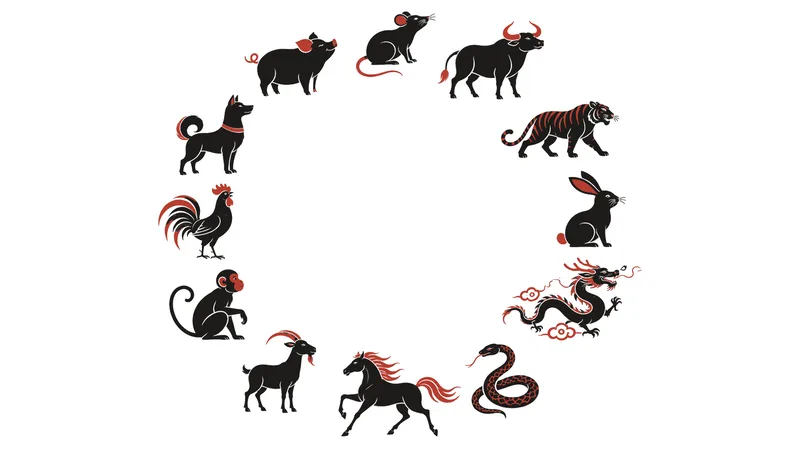




The Chinese zodiac is a 12-animal cycle used in folk culture to label years, not to predict a person’s fate. The animals run in the order Rat, Ox, Tiger, Rabbit, Dragon, Snake, Horse, Goat/Sheep/Ram, Monkey, Rooster, Dog, and Pig, and each is paired with one of the 12 earthly branches. An early systematic animal-branch pairing appears in Wang Chong’s Lunheng, “Wushi” chapter, though the wording differs from today’s common list.
The Great Race: A Folktale With Many Endings
According to legend, the animals are called to a race, and the first twelve to finish become the zodiac signs. In many tellings, Rat rides on Ox’s back, jumps off at the finish, and takes first place; Cat is left behind or pushed into the water, which is one story for why cats and rats are enemies. Versions differ by region: the order can shift, the host can change, and extra animals sometimes appear. The race is a folktale with many versions, not a passage from the Shan Hai Jing. Treat any single “official” race as one telling among many.
The 12 Animals, in Order
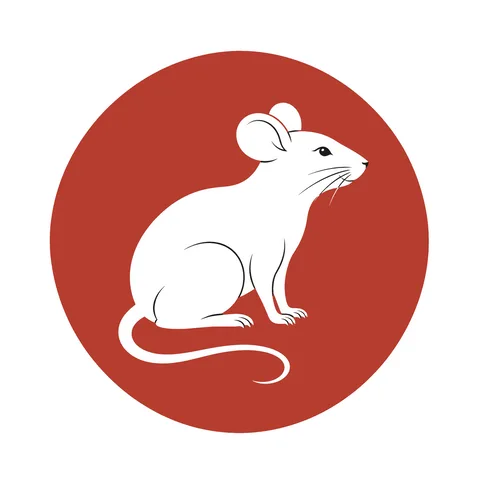
- Rat (zi) — People born in Rat years are often described in folk culture as quick-witted, resourceful, and alert. That is a conversation prompt, not a prediction. In the race story, Rat is the clever stowaway who lets Ox do the hard work, then hops ahead.
- Ox (chou) — People born in Ox years are often described as steady, patient, and dependable. The label works like a character card at a party. In many race tellings, Ox is the strong, reliable runner who carries Rat without knowing it.
- Tiger (yin) — People born in Tiger years are often described as bold, brave, and dramatic. That is folk shorthand, not a forecast. In zodiac stories, Tiger usually brings energy and a little danger to the scene.
- Rabbit (mao) — People born in Rabbit years are often described as gentle, careful, and quick. The label is a cultural prompt, not a rule about real people. In the race, Rabbit is usually the light-footed runner, though regional versions may give it a different role.
- Dragon (chen) — People born in Dragon years are often described as proud, confident, and larger than life. Dragon is the only mythical animal in the 12, which gives the label extra theater. Folk culture treats it as a symbol of power and weather, not a promise about a person’s fate.
- Snake (si) — People born in Snake years are often described as quiet, observant, and strategic. That is a folk label, not a prediction. In race stories, Snake often slides in with little fuss and a surprising place.
- Horse (wu) — People born in Horse years are often described as energetic, free, and direct. The label is a party prompt, not a verdict. Horse is linked in culture to travel, messengers, and the old image of a fast runner.
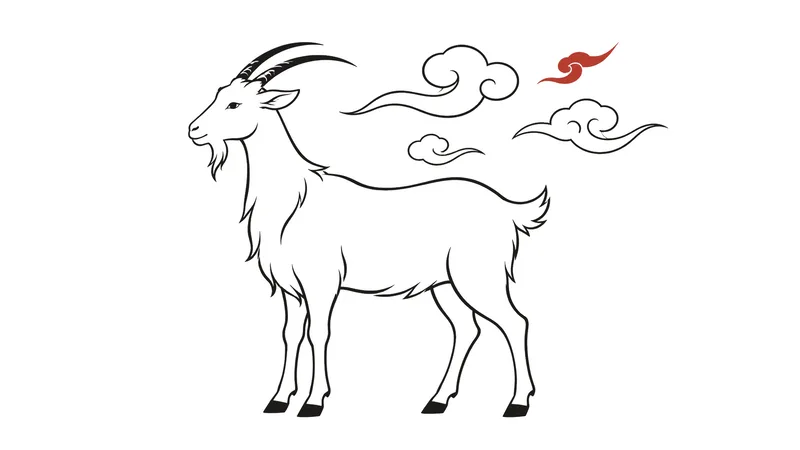
- Goat/Sheep/Ram (wei) — The Chinese word yang can be translated as goat, sheep, or ram, so the English name varies. People born in Goat years are often described as calm, kind, and artistic. Treat that as folk culture, not a real personality test.
- Monkey (shen) — People born in Monkey years are often described as clever, playful, and mischievous. The label is cultural shorthand, not a forecast. In race stories, Monkey is usually the trickster who changes the plan.
- Rooster (you) — People born in Rooster years are often described as punctual, proud, and precise. That is a folk character card, not a prediction. Rooster’s cultural job is often to announce the day and keep the schedule.
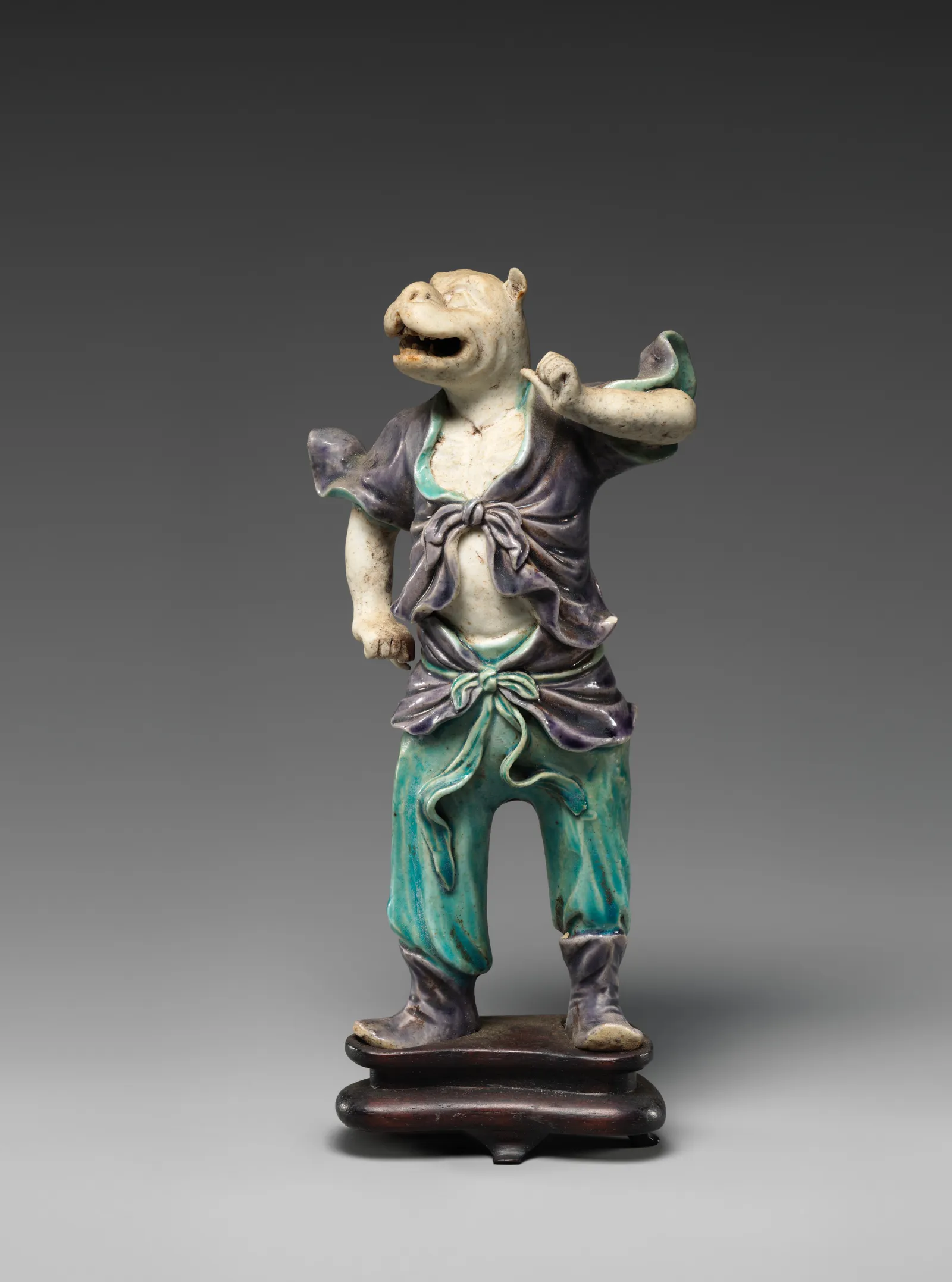
- Dog (xu) — People born in Dog years are often described as loyal, watchful, and straightforward. The label is a conversation starter, not a verdict. Dog’s cultural role often overlaps with guarding and companionship.
- Pig (hai) — People born in Pig years are often described as easygoing, generous, and practical. That is folk shorthand, not a real prediction. In party versions of the race, Pig is usually the relaxed latecomer who still finishes.
The Element Cycle: Stems, Branches, and a 60-Year Clock
Traditional calendars pair the 12 earthly branches with 10 heavenly stems. The stems carry yin-yang and five-element labels—wood, fire, earth, metal, and water—so a year can be named by a combination such as Ding Wei or Bing Wu. Because 10 and 12 meet again every 60 years, the cycle is often called the 60-year clock. The same animal returns every 12 years, but the full stem-branch label returns every 60. This is calendrical culture and play, not a system for real prediction.
The Year Boundary: Chinese New Year vs. Lichun
For this page and the calculator, the zodiac year turns at Chinese New Year, the lunar new year. Tradition holds that this is the common folk-custom boundary; tradition also holds that some calendrical systems use Lichun, the start of spring, instead. If you were born in the weeks between those two dates, two calculators can give two different animals and neither is “lying” — they are using different rules. Check the note under any calculator, and say which boundary you are using if you play a zodiac party game.
What the Zodiac Is Not
The Chinese zodiac is folk culture, not science or a real prediction system. It does not tell you whom to date, what job to take, or how your year will go. Compatibility labels such as liuhe, sanhe, and liuchong are traditional categories used in almanacs and games; here they are conversation cards, not verdicts. Use the zodiac to start a conversation, not to end one. Cultural play, not fortune-telling.
Questions, answered
What is the Chinese zodiac?
It is a 12-animal cycle used in folk culture to label years and birthdays. The animals are paired with 12 earthly branches. It is cultural play, not a scientific system or a prediction tool.
What is the Chinese zodiac order?
Rat, Ox, Tiger, Rabbit, Dragon, Snake, Horse, Goat/Sheep/Ram, Monkey, Rooster, Dog, Pig. The order is traditional; the Great Race stories explain it in different ways.
Does the Chinese zodiac year start at Chinese New Year or Lichun?
Both conventions exist. This page uses Chinese New Year for the folk-custom boundary. Some traditional calendrical systems use Lichun. If you were born between the two dates, check which rule a calculator uses.
Is the Great Race in the Shan Hai Jing?
No. The Great Race is a folktale with many versions, not a Shan Hai Jing passage. An early animal-branch list appears in Wang Chong’s Lunheng, “Wushi” chapter, with wording that differs from today’s common list.
Is Chinese zodiac compatibility real?
Treat compatibility labels such as liuhe, sanhe, and liuchong as folk categories and party prompts. They are not scientific predictions and should not decide a relationship. Cultural play, not fortune-telling.