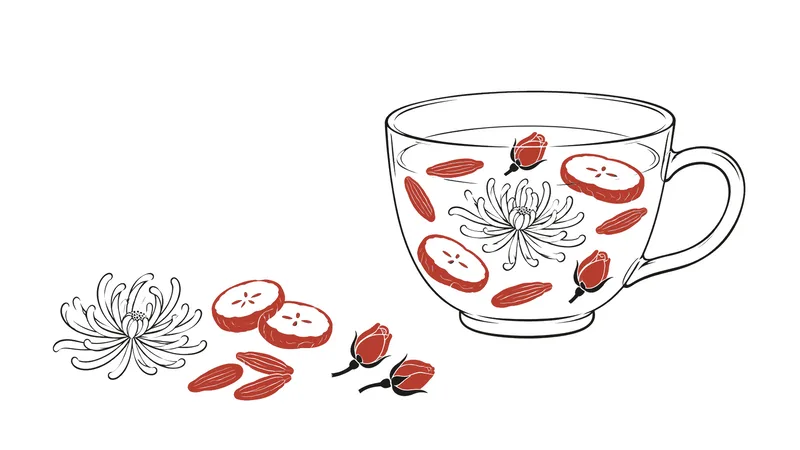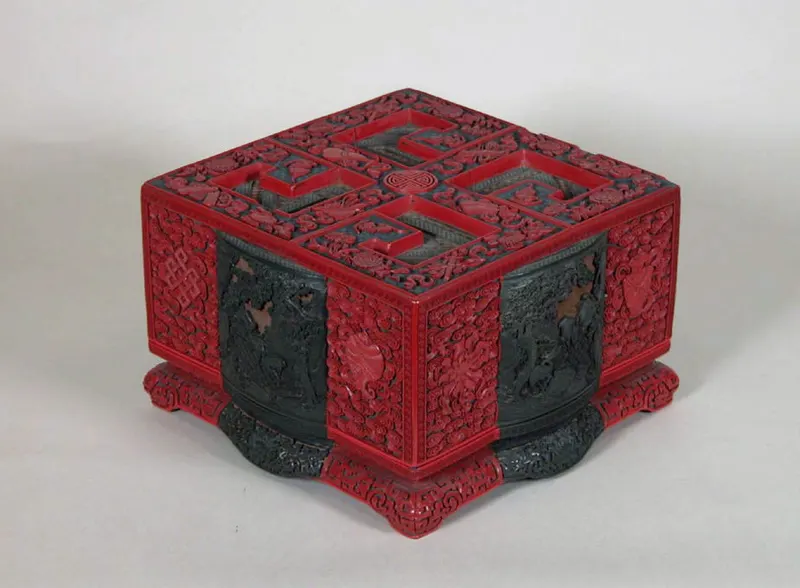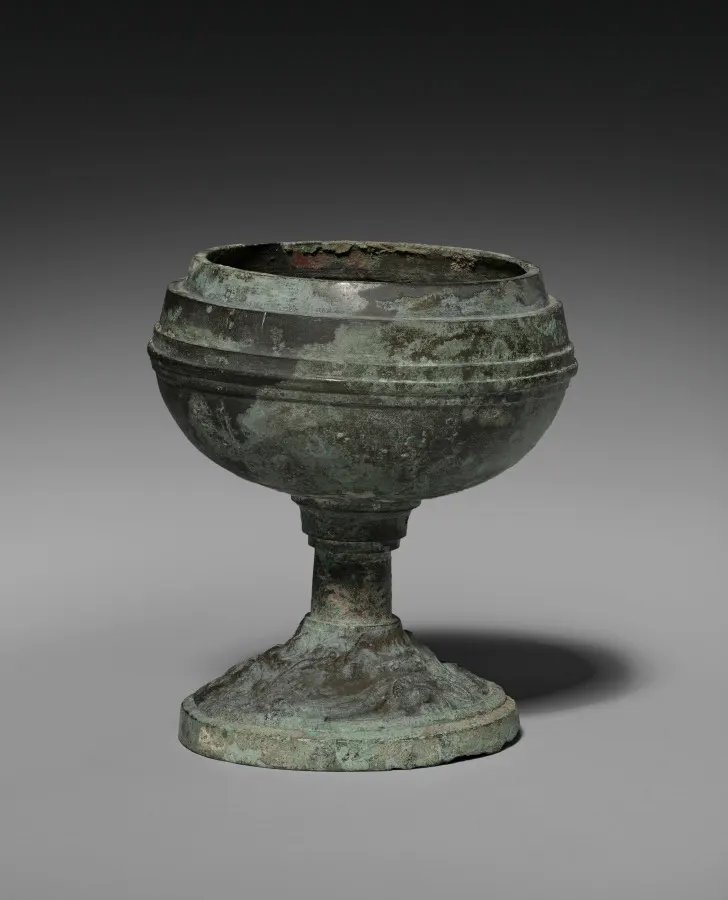
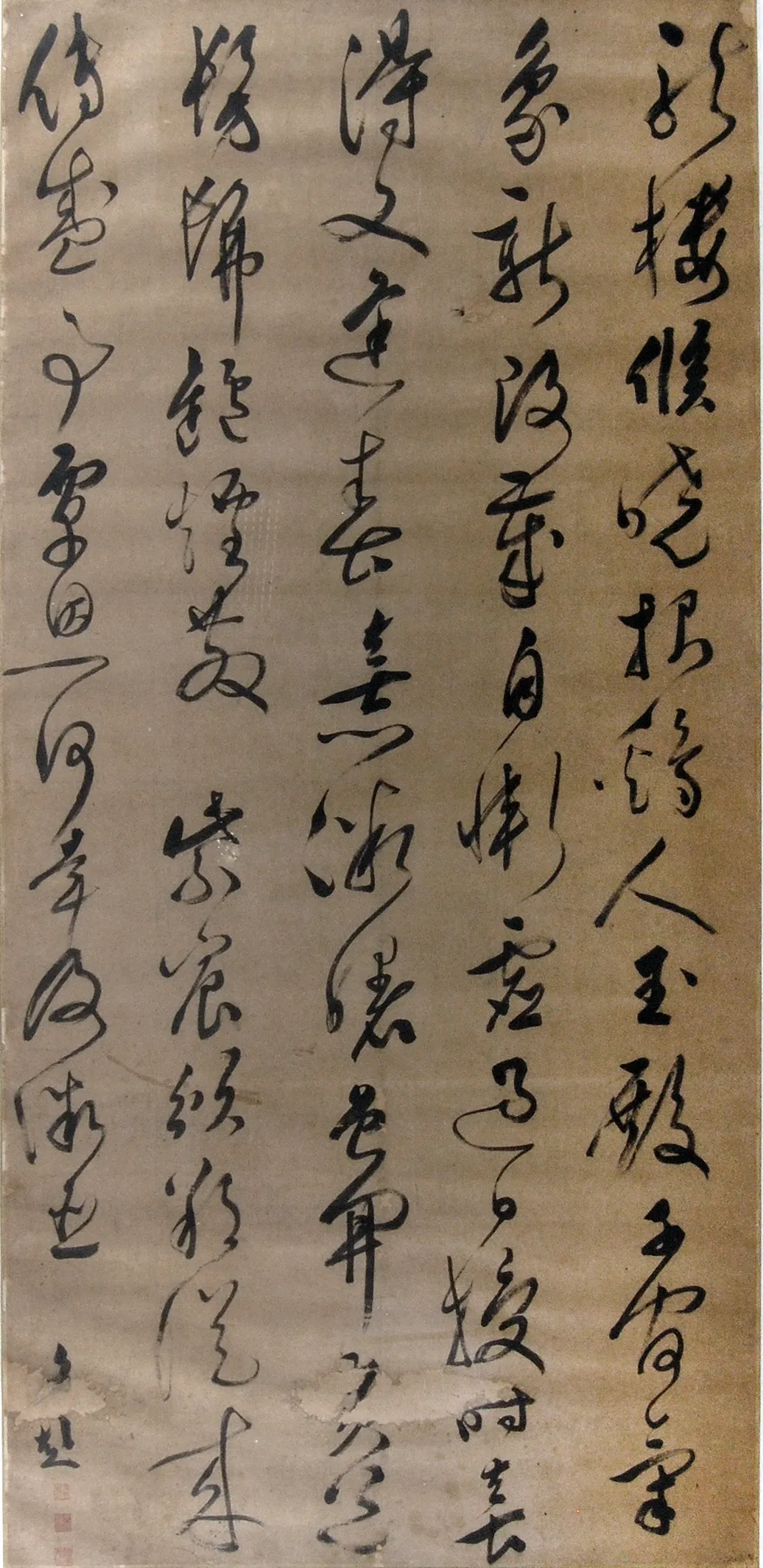
The 24 solar terms are a traditional Chinese calendar of 24 seasonal markers, each lasting about 15 days and based on the sun’s position rather than the moon. The full set of names appears in the Huainanzi, “Tianwen” chapter, and in 2016 UNESCO inscribed the system on its Representative List of the Intangible Cultural Heritage of Humanity. Think of them as a yearly field guide to weather shifts, farm rhythms, foods, and small rituals—not a fortune-telling system.
What Are the 24 Solar Terms?
They divide the solar year into 24 segments. Each term marks a shift in light, temperature, rain, insects, plants, or harvest. The system is not lunar: it follows the sun. That is why the dates below stay close to the same Gregorian days each year, even though the Chinese lunar calendar moves.
In daily life, the terms work like a shared seasonal vocabulary. A farmer watches for Grain Rain. A tea lover talks about teas picked before Qingming. A family may mark Winter Solstice with dumplings or tangyuan. The names are poetic, but they are also practical handles for talking about the year.
A Careful History
The full set of 24 names appears in the Huainanzi, “Tianwen” chapter. The Yue Ling Qi Shi Er Hou Jie later divided each solar term into three five-day “hou,” creating 72 seasonal markers in a year. That text is a traditional commentary, not a modern weather report.
In 2016, UNESCO inscribed the Twenty-Four Solar Terms on the Representative List of the Intangible Cultural Heritage of Humanity. It is not on the World Heritage List. The distinction matters: this is living knowledge—calendars, farming sayings, foods, and local customs—not a monument.
All 24 Terms, Dates, and Food Ideas
Dates shift by a day or two from year to year. The foods below are regional menu prompts, not one national menu. Where a custom is not tied to a specific source here, read it as “tradition holds.”
| Solar term | Approx. date | Custom or seasonal food idea |
|---|---|---|
| Lichun 立春 | Feb 4 | Spring pancakes (chunbing); “biting spring” is a regional tradition |
| Yushui 雨水 | Feb 19 | Bamboo shoots or fresh greens; regional spring table idea |
| Jingzhe 惊蛰 | Mar 6 | Pears; a regional food tradition for this term |
| Chunfen 春分 | Mar 20 | Spring vegetable rolls or wild greens; regional |
| Qingming 清明 | Apr 5 | Green rice balls (qingtuan), especially in eastern China |
| Guyu 谷雨 | Apr 20 | New spring tea leaves; regional tea-picking custom |
| Lixia 立夏 | May 6 | Boiled eggs; linked in some places to summer games |
| Xiaoman 小满 | May 21 | Fresh broad beans or peas; regional |
| Mangzhong 芒种 | Jun 6 | Green plums or plum drinks; regional |
| Xiazhi 夏至 | Jun 21 | Noodles; a common summer-solstice food idea |
| Xiaoshu 小暑 | Jul 7 | Lotus root or cucumber salads; regional summer table |
| Dashu 大暑 | Jul 23 | Mung bean soup; a popular regional summer food idea |
| Liqiu 立秋 | Aug 8 | Watermelon; “biting autumn” is a regional custom |
| Chushu 处暑 | Aug 23 | Duck dishes; a regional late-summer food idea |
| Bailu 白露 | Sep 8 | Longan or white pear; regional autumn fruit idea |
| Qiufen 秋分 | Sep 23 | Mooncakes near Mid-Autumn; seasonal pastry idea |
| Hanlu 寒露 | Oct 8 | Chrysanthemum infusion or wine; floral seasonal idea |
| Shuangjiang 霜降 | Oct 23 | Persimmons; a well-known regional autumn food idea |
| Lidong 立冬 | Nov 7 | Dumplings in northern China; regional |
| Xiaoxue 小雪 | Nov 22 | Cured meat or preserved vegetables; regional winter prep idea |
| Daxue 大雪 | Dec 7 | Hot pot or braised dishes; regional winter table idea |
| Dongzhi 冬至 | Dec 22 | Dumplings in the north, tangyuan in the south; regional |
| Xiaohan 小寒 | Jan 6 | Warm rice porridge; a regional cold-weather food idea |
| Dahan 大寒 | Jan 20 | Rice cakes or preserved foods; regional year-end idea |
Tea at Each Turn
The seasonal cup is a flavor exercise, not a regimen. Spring leans floral and green: jasmine green tea, white tea with pear, fresh green tea. Summer asks for crisp cold brews: oolong with cucumber, iced black tea with lemon, barley tea with citrus peel. Autumn turns roasted and honeyed: osmanthus oolong, roasted oolong with dried persimmon, black tea with peach. Winter goes malty, smoky, and deep: honeyed black tea, smoked black tea, dark roasted oolong, aged white tea.
Use the JSON below as a card deck. Pick a term, read the food idea, then choose a cup by flavor mood. The point is to notice the season with your senses—aroma, temperature, texture, color—not to promise an outcome.
How to Use This as a Calendar Game
Make a 24-card printable deck. Put the English name on one side, the Chinese name and a food idea on the other. At a family dinner, draw three cards and vote on the most “in season” one. At a tea table, match each guest with a flavor card: floral, roasted, citrusy, or malty.
In Chinese folk culture, people also link seasons to colors, elements, and zodiac animals as a cultural game. That is storytelling and play, not prediction. Keep the tone light: the 24 solar terms are a calendar to taste, draw, and talk about.
Questions, answered
What are the 24 solar terms?
They are 24 seasonal markers, each about 15 days long, based on the sun’s position. Chinese farmers and families have used them to track weather, planting, foods, and festivals. The full set of names appears in the Huainanzi, Tianwen chapter.
Are the 24 solar terms part of the lunar calendar?
No. They are a solar-term system tied to the sun’s yearly path, not to moon phases. That is why their Gregorian dates stay close to the same days each year, while Chinese New Year moves.
When did UNESCO recognize the 24 solar terms?
UNESCO inscribed the Twenty-Four Solar Terms on its Representative List of the Intangible Cultural Heritage of Humanity in 2016. It is intangible cultural heritage, not a World Heritage site.
Why do the dates shift a little each year?
The terms mark 15-degree segments of the sun’s path. Because the Gregorian calendar and the solar year do not line up perfectly, a term can fall a day earlier or later. Use the dates here as a friendly guide.
Can I use the 24 solar terms for a party or calendar?
Yes, as folk culture and play. Make a seasonal tea table, print a wheel, or match foods to terms. Do not use them as prediction; they are a cultural calendar and party theme, not a fortune-telling system.